
Smarter Revenue Management with Vayu
Vayu gives finance teams ownership over pricing, billing, and revenue automation, without waiting on engineering sprints. Ideal when hybrid pricing, real-time forecasts, and margin visibility matter more than metering complexity alone.
Book a DemoAt-a-Glance Comparison
Metronome is built for metering, not full revenue operations
Metronome excels at usage metering and pricing, but stops short of billing, invoicing, rev rec, and forecasting.
Finance ends up stitching together Metronome + Chargebee/Stripe Billing + Maxio + Snowflake dashboards.
One platform for pricing, billing, rev rec, forecasting, and reporting, no more disconnected workflows or manual reconciliation cycles.
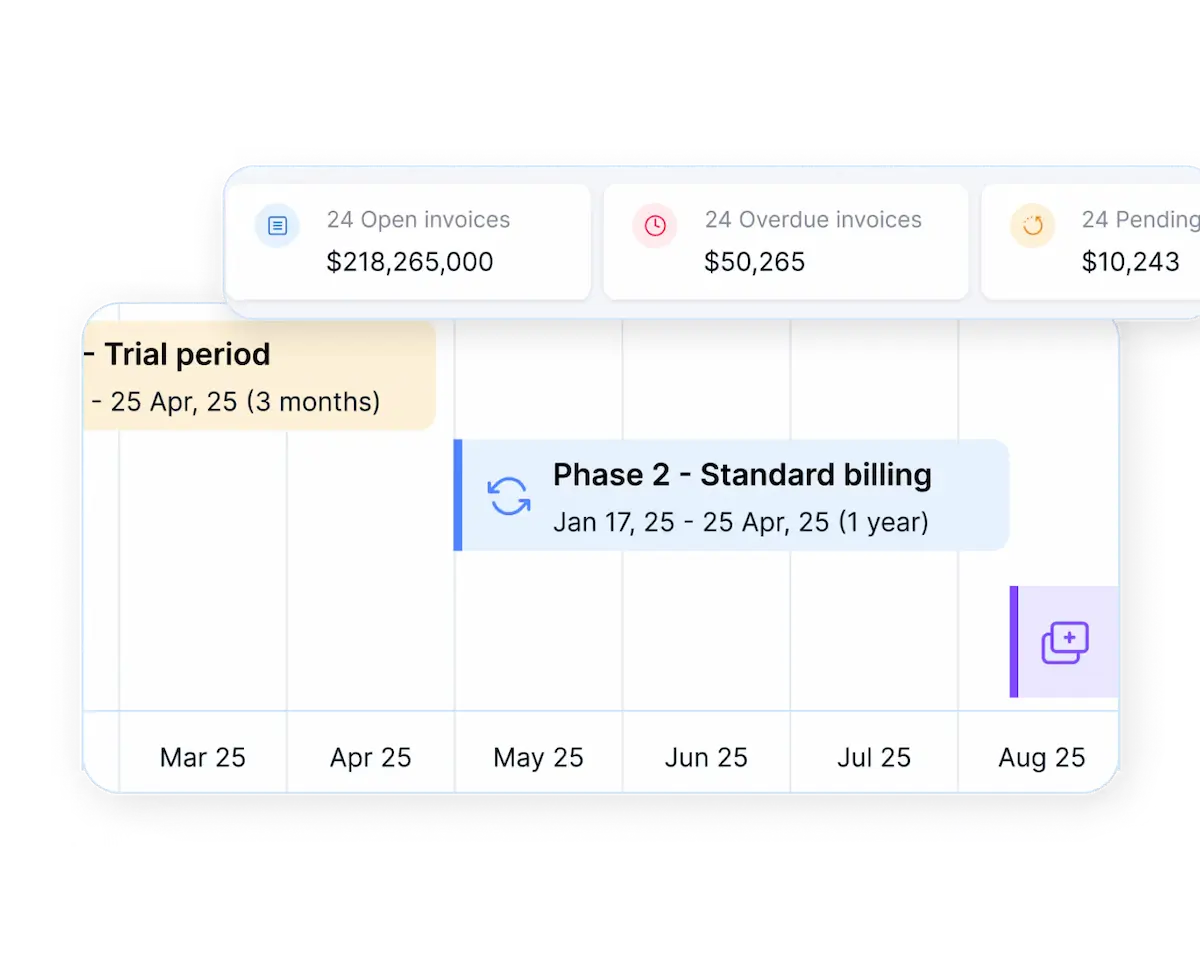
Pricing and billing configuration requires engineering
Every SKU, pricing rule, entitlement, or exception requires schema edits and code-based configuration in Metronome.
Pricing experiments and deal exceptions slow down, finance is stuck behind product and engineering priorities.
100% no-code pricing and billing engine that puts control in the hands of finance and RevOps.
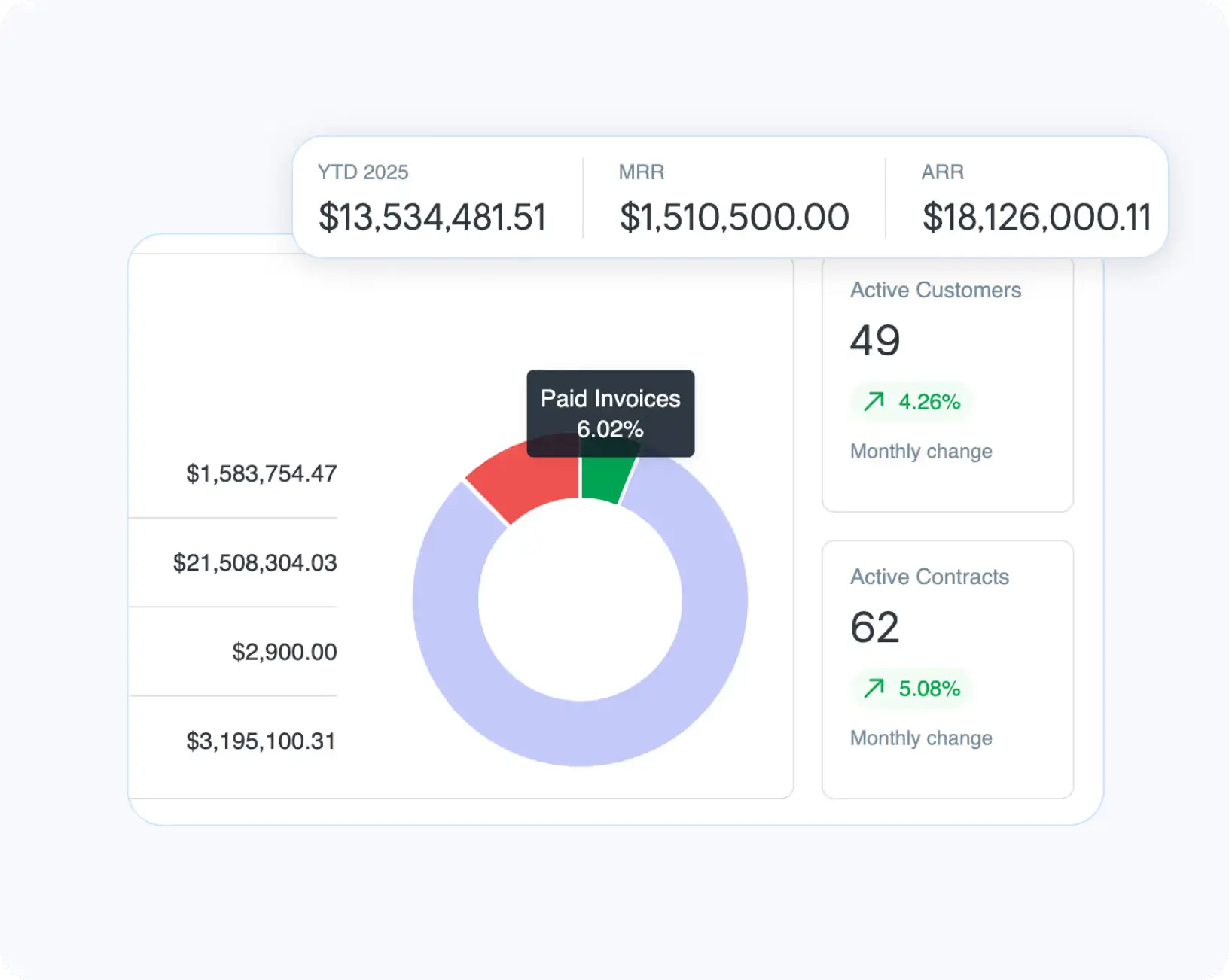
Reporting requires a data warehouse
Revenue, margin, and forecasting require data exports to Snowflake, Looker, or custom dashboards.
Finance and GTM teams can’t get answers in real time, insights lag and forecasting becomes static.
Full reporting, forecasting, margin analysis, NRR signals, and pricing impact in real time, no BI layer required.
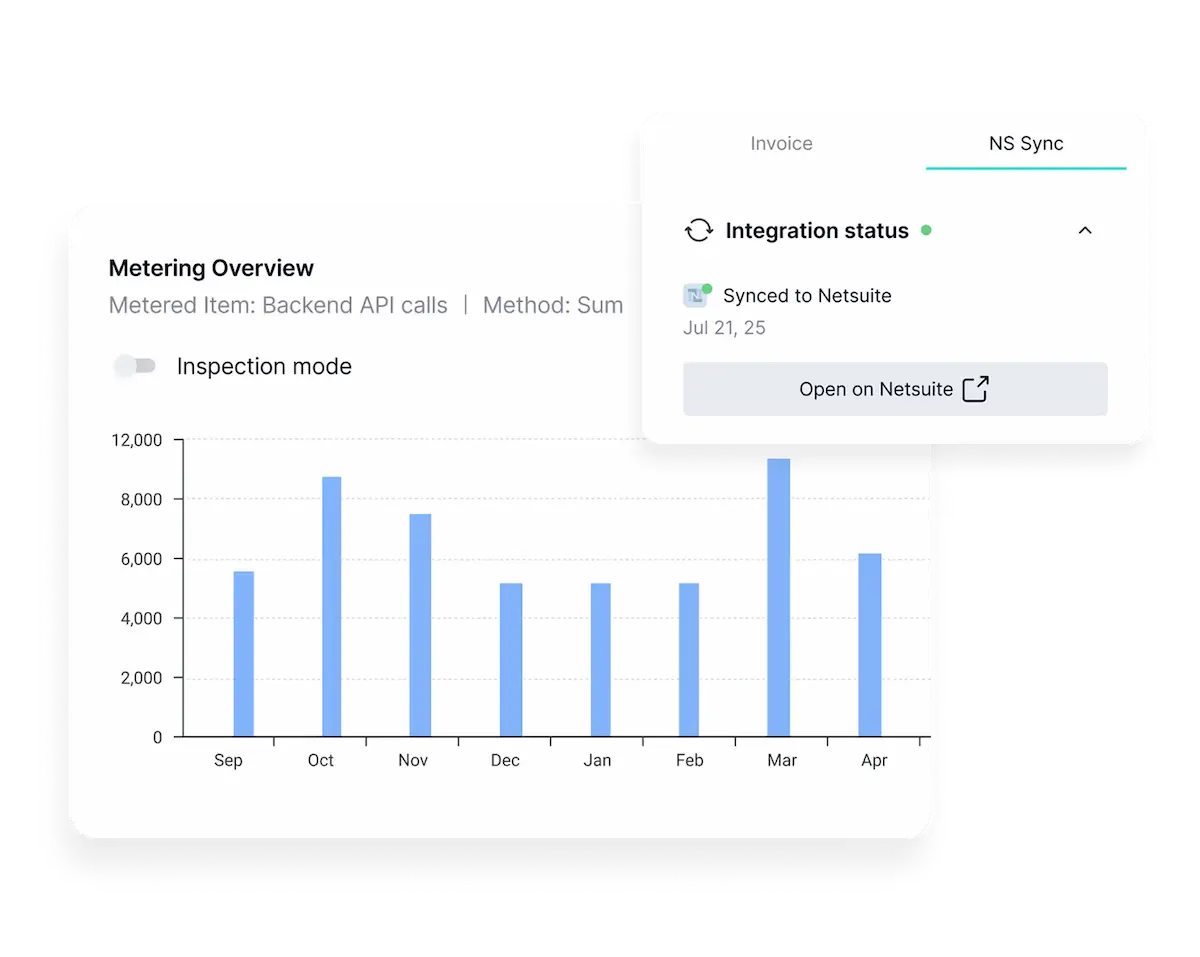
Vayu replaces the operational stack, Metronome is one component
Vayu is built to replace Metronome plus:
- Stripe/Chargebee (billing)
- Maxio/RevLock (revenue recognition)
- Snowflake dashboards (forecasting/NRR/margin insights)
- Custom entitlement and discount logic maintained by engineers
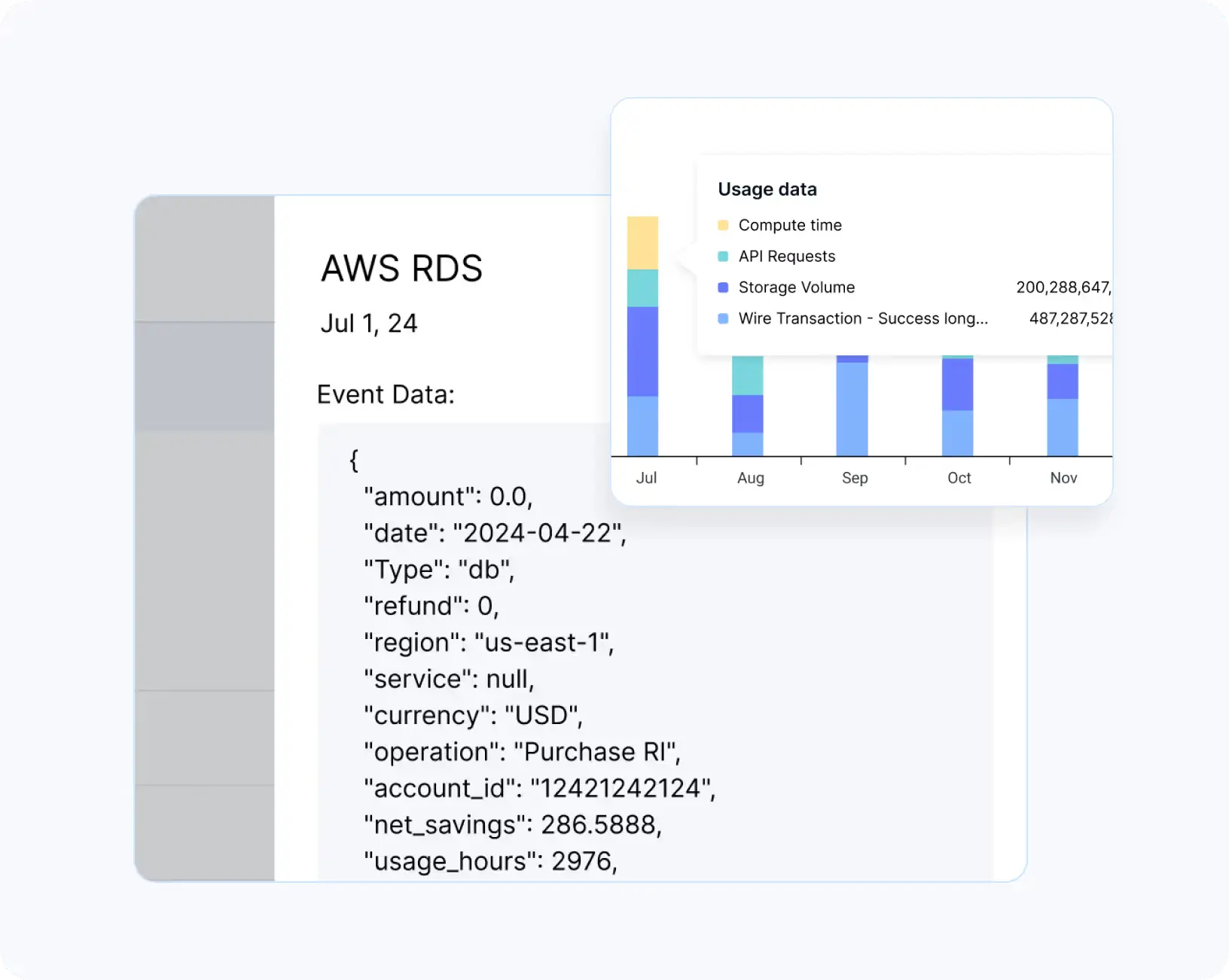
What Makes Vayu Different
-
Finance-owned revenue stack
no engineering required
-
Full revenue lifecycle
pricing, billing, rev rec, forcasting
-
Hybrid billing made easy
usage + subscription + tiered entitlements
-
Live revenue intelligence
forecasting, margin, NRR drivers
-
Built-in AI for finance
detect anomalies, simulate pricing impact, automate insights

FAQ - Why Vayu is better
-
Migration typically takes 1–3 weeks depending on the number of SKUs, entitlement rules, and contract variations. Because Vayu is no-code and configured by finance, not engineering, the majority of teams complete setup, validation, and parallel billing tests within 5 business days. Full go-live is usually gated by internal approval, not system complexity.
-
Yes, Vayu supports usage-based billing at the same level of flexibility as Metronome, but extends it with hybrid models, subscription overlays, prepaid commitments, entitlements, and margin visibility built into the same system. That means finance can model, launch, and forecast any pricing change without writing schema changes or waiting for a developer cycle.
-
No. Vayu implementations are led by finance or RevOps teams and do not require ongoing developer involvement. Engineering is only involved in the first 1–2 sessions to pipe usage data in via API or webhooks. From there, pricing logic, billing schedules, and contract rules are configured directly in the UI by business users.
-
Yes. Vayu integrates natively with Salesforce, HubSpot, Netsuite, QuickBooks, Snowflake, Redshift, and more. This allows end-to-end automation between quoting, billing, reporting, and revenue recognition, without manual exports, spreadsheets, or custom middleware. In most cases, integrations can be fully activated during onboarding without engineering support.
-
Yes. Vayu includes a built-in ASC 606-compliant revenue recognition engine that automatically calculates deferred revenue, allocation schedules, and journal entries based on billing and contract terms. No exports, spreadsheets, or third-party rev rec tools are required. Finance gains real-time visibility into revenue schedules, waterfalls, and audit logs inside the same platform.
-
Metronome focuses on metering, so teams typically layer additional tools for billing, rev rec, forecasting, and reporting. Vayu replaces all of those systems in one platform, so pricing is based on billing volume and revenue complexity, not engineering time or event count. Most customers consolidate 2–4 tools and reduce annual spend after switching.


