
Smarter Revenue Management with Vayu
Vayu gives finance teams complete control of pricing, metering, billing, revenue recognition and forecasting, not just subscription billing. If you’ve outgrown Zuora’s subscription/usage-centric stack and need a unified, finance-operated revenue engine for hybrid/usage models, real-time margin visibility, and no-code flexibility, Vayu is the smarter choice.
Book a DemoAt-a-Glance Comparison
Zuora is built for subscription/usage billing at scale; Vayu is built for hybrid/usage/outcome pricing + full revenue lifecycle
Zuora handles subscription/consumption well, but teams still rely on separate tools or BI for forecasting, margin visibility, contract logic.
Finance teams need one source of truth for pricing - billing - rev-rec - forecasting.
One unified platform operated by finance with no stitching required.
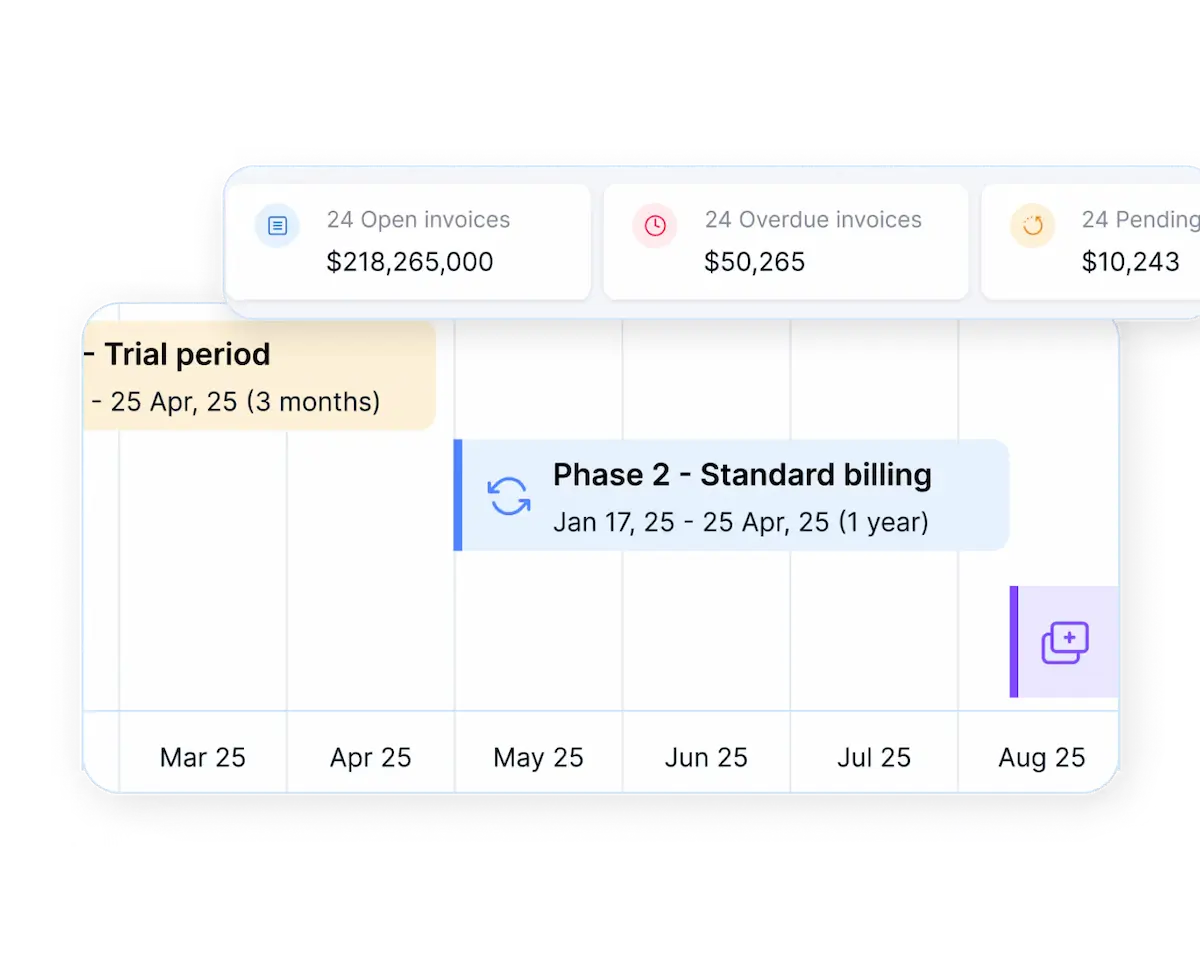
Usage event processing and pricing iteration still depend on technical setup in Zuora; Vayu removes that bottleneck
Complex metering schemas, rating workflows, integrations are labor-intensive in enterprise setups.
Every new pricing model or usage unit delays time-to-revenue.
No-code metering, pricing logic owned by finance, enabling fast iteration.
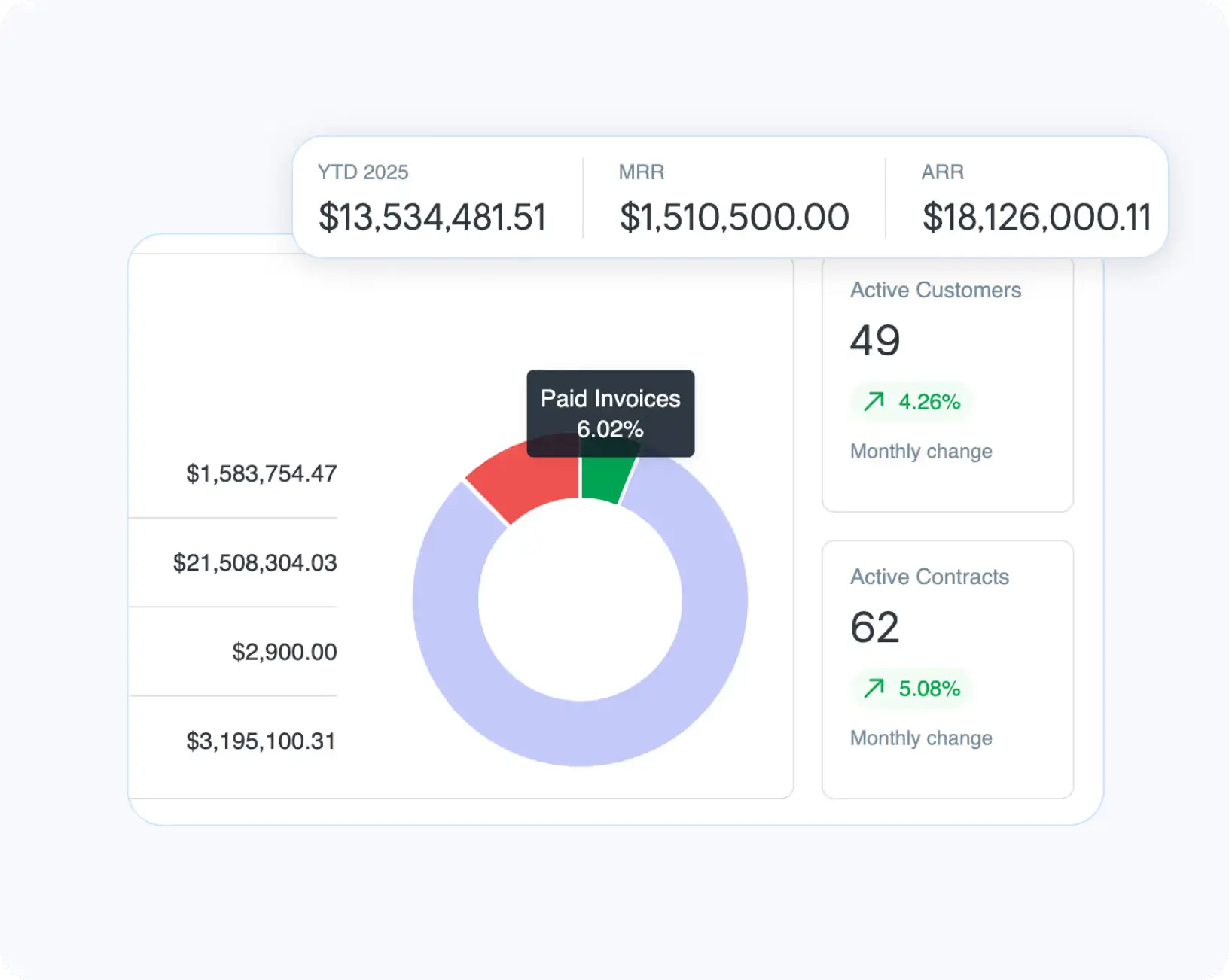
Finance wants real-time forecasting/margin visibility, not just billing + rev-rec compliance
Zuora delivers strong billing + rev-rec features but forecasting/margin often external.
Built-in forecasting, margin tracking, NRR drivers right in the platform.
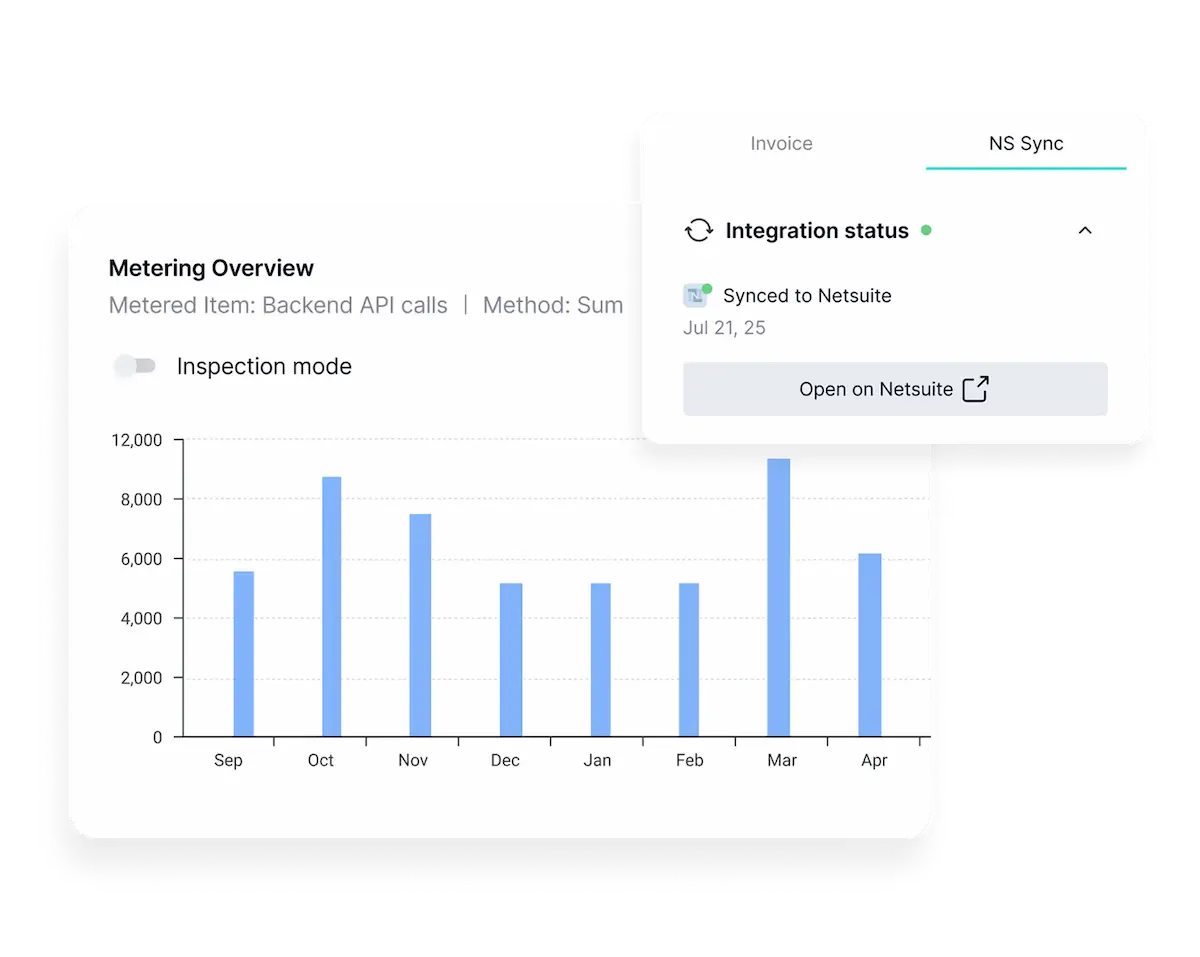
Vayu replaces more of the stack
With Vayu, finance teams consolidate usage metering, billing, rev-rec, forecasting, reporting, instead of layering multiple tools.
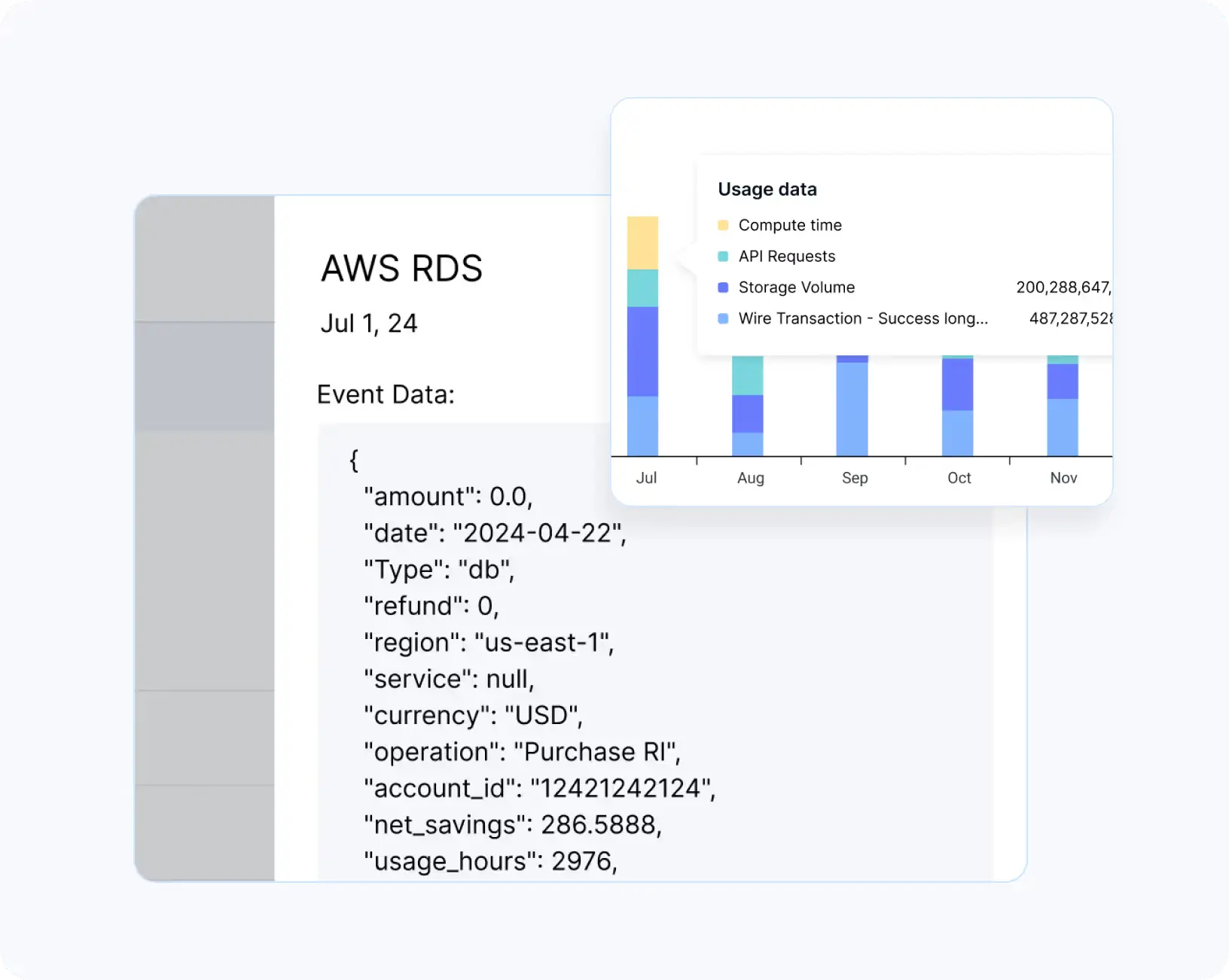
What Makes Vayu Different
-
Full revenue lifecycle
Pricing - metering - billing - rev-rec - forecasting, end-to-end in one place.
-
Finance-owned platform
No code, no tickets for pricing or billing logic.
-
Hybrid/usage/outcome billing
Adapt models quickly without re-implementation.
-
Revenue intelligence
Real-time margin/NRR drivers and forecasting tied to live data.
-
AI for Finance
Contract terms extraction, anomaly detection, pricing simulation to reduce close times and surface risk early.
Compare Vayu to Other Platforms

FAQ - Why Vayu is better
-
Migration typically takes 1–3 weeks, depending on usage volume, contract policies, and data complexity. With Zuora, heavy enterprise setups can mean several months of integration and customization. Vayu’s no-code onboarding lets Finance/RevOps import pricing rules, entitlements, and historical billing; engineering is involved only once for event/data feed. Parallel runs can begin within days.
-
Yes, Vayu supports subscription, usage-based, hybrid and outcome-based models. Unlike many setups in Zuora that still rely on custom usage pipelines or integrations, Vayu ties usage data directly to billing, rev-rec and forecasting in a no-code UI.
-
Only initially to connect usage or contract event streams. After that, Finance and RevOps manage pricing, entitlements, discounting, and contract updates themselves—no more engineering tickets every time a new pricing model launches.
-
Yes. Vayu includes built-in ASC 606/IFRS 15 compliant revenue recognition tied directly to billing and usage data. This bypasses the need for separate rev-rec modules or external reporting tools if you want one unified finance-owned revenue engine.
-
If your operations are strictly subscription-billing and you’re well integrated in the NetSuite/Zuora ecosystem with minimal usage or hybrid models, you may not need to switch. But if you’re pushing into heavy usage, hybrid/outcome models, need finance-owned pricing, or want real-time revenue intelligence, Vayu offers a more modern, agile revenue system without disrupting your ERP.
-
With Zuora, enterprise implementations often involve multiple modules (Billing + Revenue + CPQ) and can require engineering or consultant support for usage/event setups. Vayu consolidates pricing, usage, billing, rev-rec, forecasting, and analytics into a single platform owned by finance, reducing tool sprawl and engineering cost. Cost depends on volume and complexity, but customers often retire 2–4 tools and cut internal ops burden.


