
Smarter Revenue Management with Vayu
Vayu automates billing based on real operational activity, ideal for usage-based, delivery-based, and hybrid SaaS models where finance needs live visibility into revenue, margin, and consumption.
Book a DemoAt-a-Glance Comparison
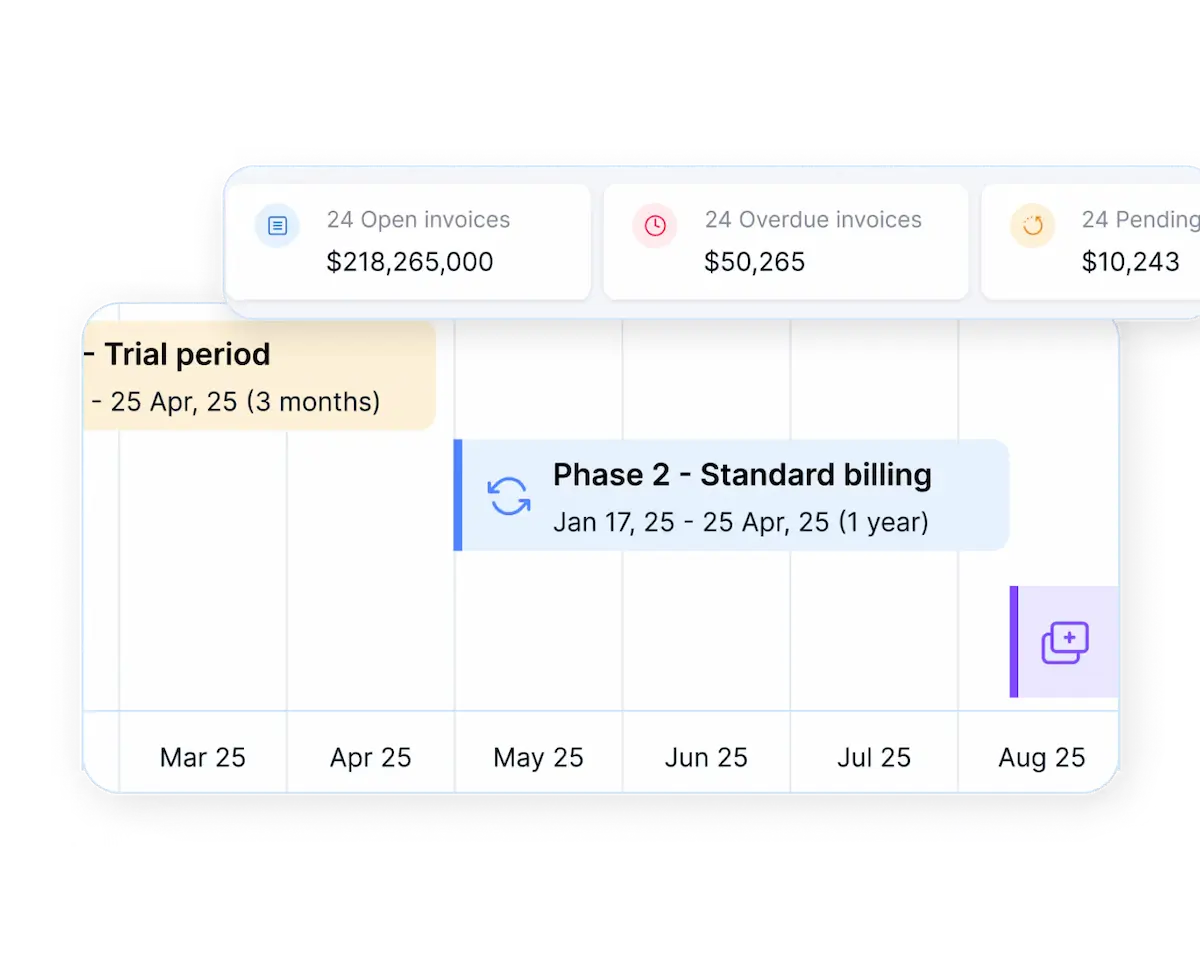
Tabs bills from contracts. Vayu bills from real activity.
Tabs reads the contract and generates invoices based on legal terms, not operational delivery.
Works for static SaaS, breaks for usage-based, API-based, or volume-based revenue.
Connects to your systems (databases, APIs, logs) and bills based on what actually happened in real time.
Tabs requires CRM/ERP as the data source
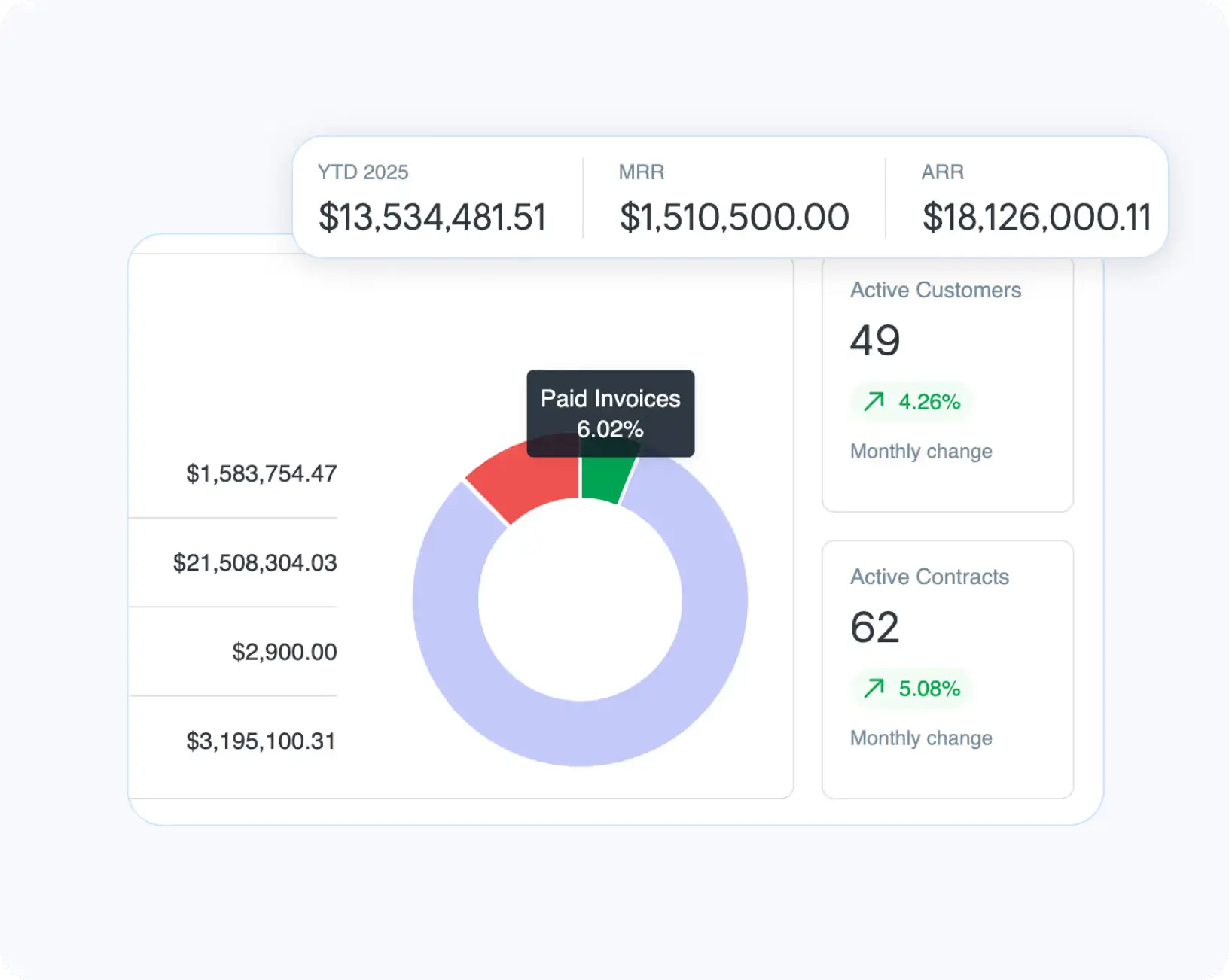
Tabs depends on Salesforce / HubSpot / Netsuite fields, not product or usage systems.
Finance can’t see real consumption, margin, or delivery in one place.
Directly ingests usage + delivery data, eliminating spreadsheets and manual reconciliation.
Usage billing is add-on only, not native
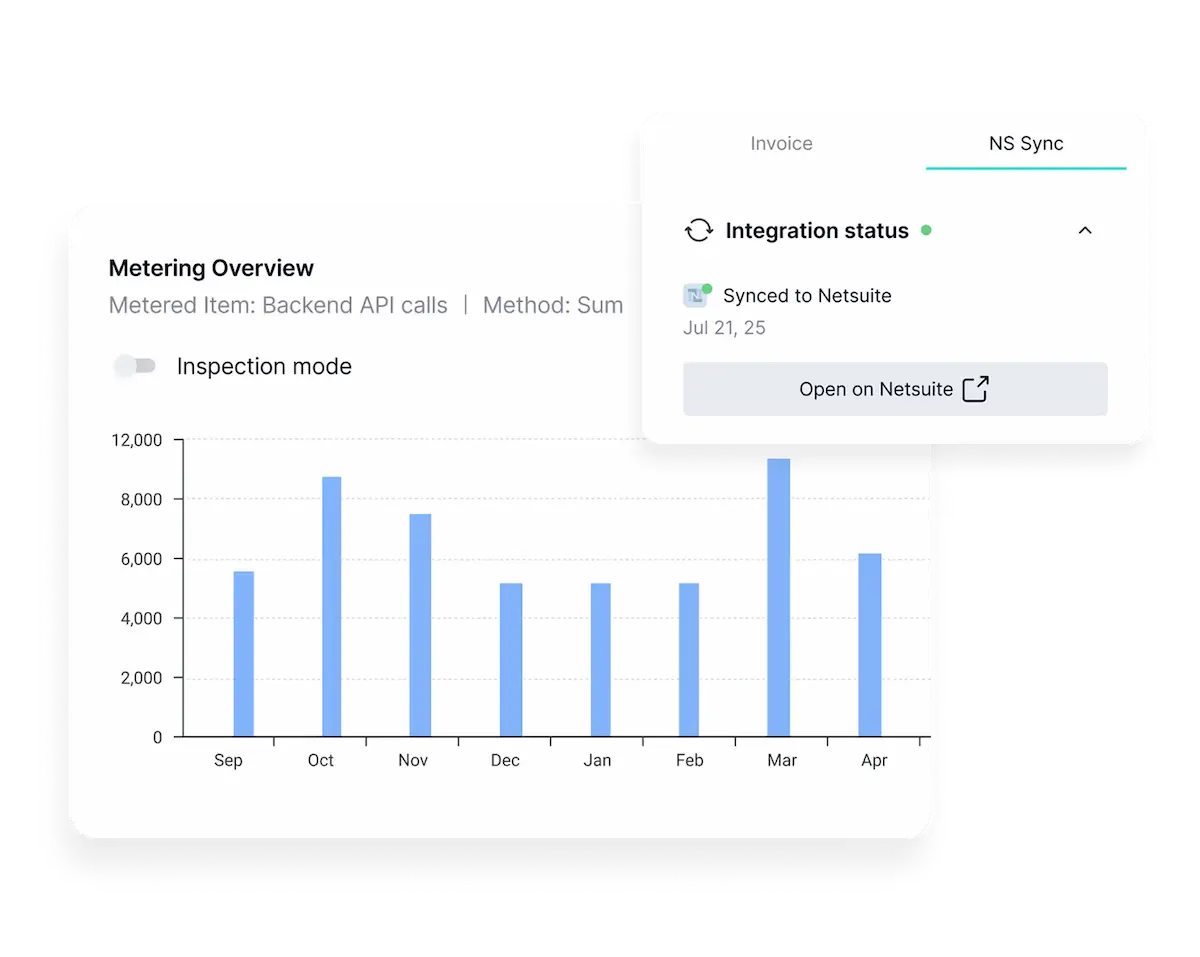
Tabs supports usage only through Stripe-based integration or custom mapping.
Vayu is built for 1M+ usage events per day- API calls, compute, storage, datasets, seats, or entitlement tiers.
Tabs automates invoicing. Vayu automates the full revenue lifecycle.
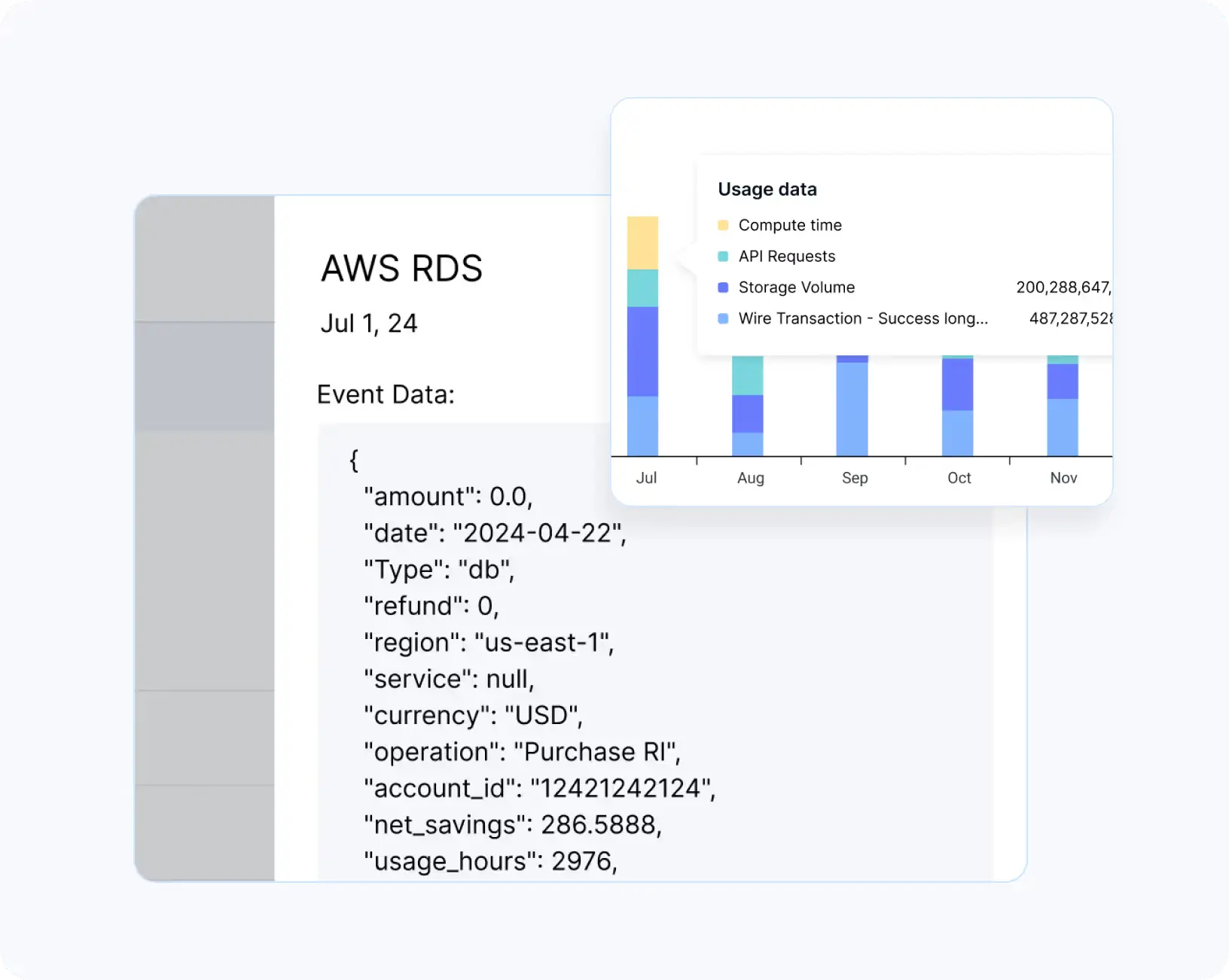
Tabs = contract ingestion → invoice creation
Vayu = pricing → metering → billing → rev rec → forecasting → margin analytics (in one platform)
What Makes Vayu Different
-
Finance-owned revenue engine
no engineering required
-
Connects to product & delivery systems
not just CRM fields
-
Supports subscription
+ usage + hybrid + entitlement billing
-
Real-time revenue
margin, and consumption forecasting
-
AI alerts for anomalies
missing usage spikes, and billing gaps
-
Replaces metering
+ billing + rev rec + forecasting tools in one stack
Compare Vayu to Other Platforms

FAQ - Why Vayu is better
-
Most teams fully migrate from Tabs to Vayu in 1–3 weeks, depending on data complexity and contract structures. Data ingestion and validation can begin immediately, and parallel billing is typically live within 5 business days. Because Vayu is no-code and finance-owned, the majority of setup time is spent on data mapping and testing, not engineering or schema refactoring.
-
Yes, Vayu supports everything Tabs offers for contract-based billing, including fixed fee, renewals, and scheduled changes, but also extends it with usage-based, tiered, and hybrid billing models in the same platform. This means finance teams can manage SaaS subscriptions and variable billing side-by-side, without needing separate metering, billing, or revenue recognition tools.
-
No. Vayu is designed so finance, revenue operations, and business systems teams can own setup and day-to-day changes without writing code. Engineering may help connect data sources during initial implementation, but all pricing logic, billing workflows, rev rec rules, and reporting are configured in-app with no ongoing developer dependency.
-
Yes. Vayu has native, pre-built integrations with Salesforce, NetSuite, Snowflake, QuickBooks, HubSpot, Postgres, BigQuery, and more. Whether the revenue source of truth lives in your CRM, ERP, or warehouse, Vayu pulls and syncs data automatically, enabling clean invoicing, real-time forecasting, and ASC 606-compliant revenue reporting across your entire stack.
-
Unlike Tabs, which prices based on invoice count or contract volume, Vayu is priced based on total billing throughput and is designed to replace multiple tools at once (metering, billing, revenue recognition, and forecasting). For most teams, Vayu consolidates 2–4 platforms into one, reducing total cost of ownership while adding automation and visibility.
-
Metronome focuses on metering, so teams typically layer additional tools for billing, rev rec, forecasting, and reporting. Vayu replaces all of those systems in one platform, so pricing is based on billing volume and revenue complexity, not engineering time or event count. Most customers consolidate 2–4 tools and reduce annual spend after switching.


